One machine · one state · one action loop

HEBB Autonomy · Autonomous intelligence
Intelligence that acts in the world.
Spatially aware intelligence for machines that must perceive changing environments, reason about shared objectives and coordinate action across air, land and sea.
World modelsEdge intelligenceMulti-machine coordination
Collaborative world state
Shared objectiveMission 01
HShared state · live
✦Air01
◇Land02
≈Sea03
Sense → reason → coordinate → act
The autonomy thesis
Autonomy begins
with a world model.
A machine cannot act intelligently if it only sees its own sensor feed. It needs a model of what exists, where it exists, how it is changing, what the mission requires and what every other agent can do.
HEBB Autonomy develops collaborative world models: a shared intelligence layer for understanding environments, planning under constraints and coordinating multiple machines toward a common objective.
Shared world · shared intent · coordinated execution
The intelligence loop
From perception to coordinated action.
The system closes the gap between understanding the world and completing a real-world mission.
Perceive
Fuse vision, LiDAR, thermal, position and environmental signals.
Understand
Maintain a shared state of objects, terrain, agents, risk and change.
Plan
Translate the shared objective into routes, tasks and resource-aware decisions.
Coordinate
Allocate work, resolve conflicts and synchronise multiple machines.
Act
Execute at the edge with resilient control and rapid local response.
Learn
Use mission outcomes and feedback to improve the next model and plan.
Collaborative world model
A shared intelligence layer for physical systems.
The architecture brings together state, strategy and constraints—so autonomy can move beyond isolated devices toward coordinated systems.
Shared-state modelling
Represent the environment, agents, tasks, relationships and likely next states in one evolving model.
Collaborative reasoning
Form joint plans, infer cause and effect, and coordinate decisions around shared objectives.
Resource constraints
Reason across communication, energy, compute, payload, position and time before committing to action.
Execution + feedback
Orchestrate task allocation, monitor progress, evaluate contribution and return evidence to the model.
System capabilities
Autonomy beyond the remote control.
Natural-language intent becomes a structured mission; spatial models and edge intelligence carry it into the field.
Intent interface
Translate a human objective into mission parameters, tasks and operational boundaries.
Autonomous route planning
Evaluate terrain, obstacles, restricted zones and changing conditions to generate safe, efficient routes.
GNSS-degraded resilience
Combine inertial, visual and environmental signals when conventional positioning becomes unreliable.
Edge intelligence
Process critical perception and control locally for lower latency and greater mission resilience.
Multi-machine collaboration
Coordinate aerial, ground and surface systems through a shared operational picture.
Modular perception
Connect task-specific models for detection, mapping, inspection, anomaly analysis and environmental understanding.
Field platforms
Intelligence, embodied.
The intelligence layer is developed against real machines and real operating conditions—not a single idealised device. These representative platforms give the research a physical testbed across aerial and maritime missions.
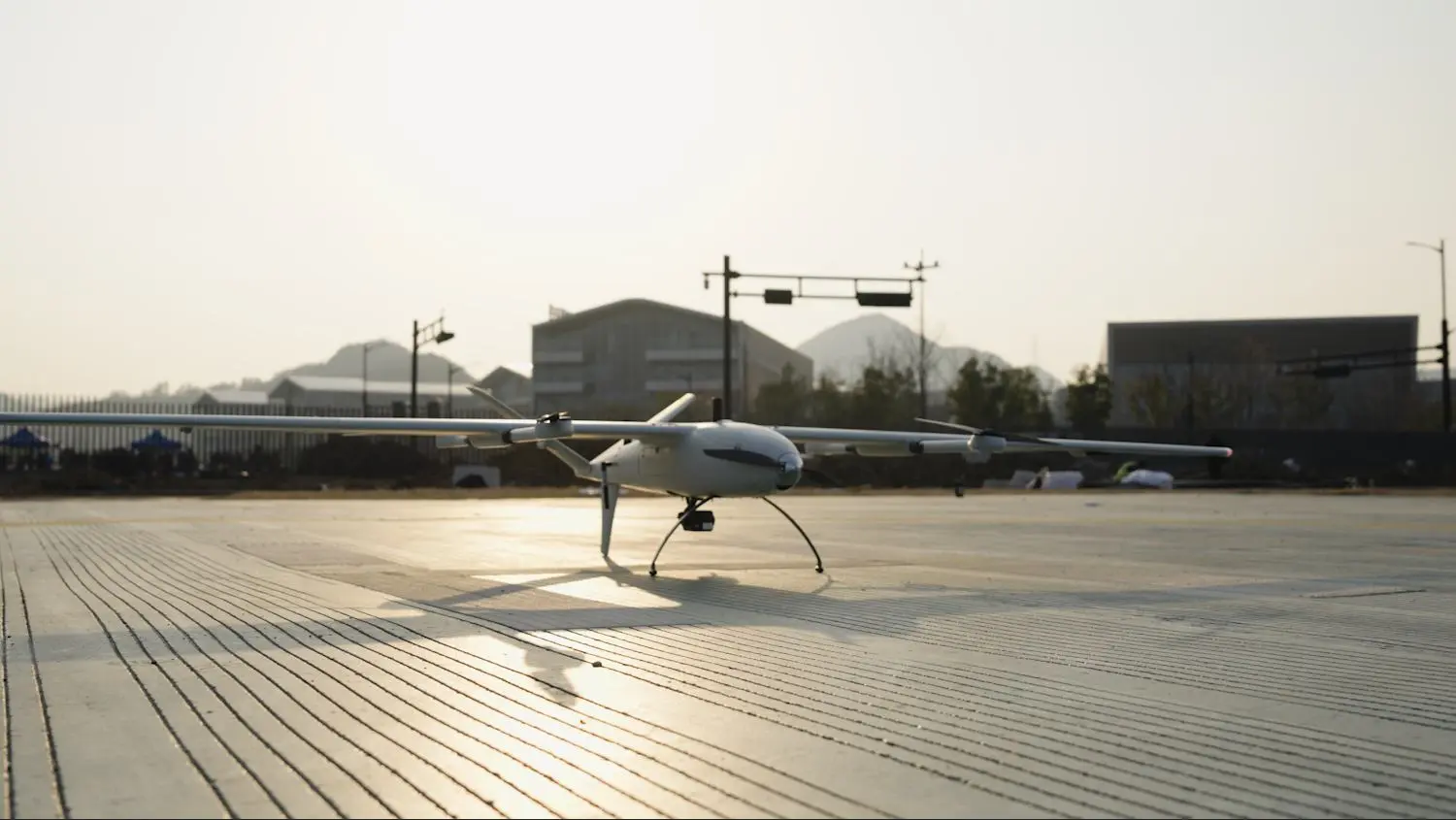 HEBB AUTONOMY / 01
01VTOL mission aircraft
Commander X1
Vertical take-off, wide-area sensing and adaptable payload integration for mapping, inspection and response.
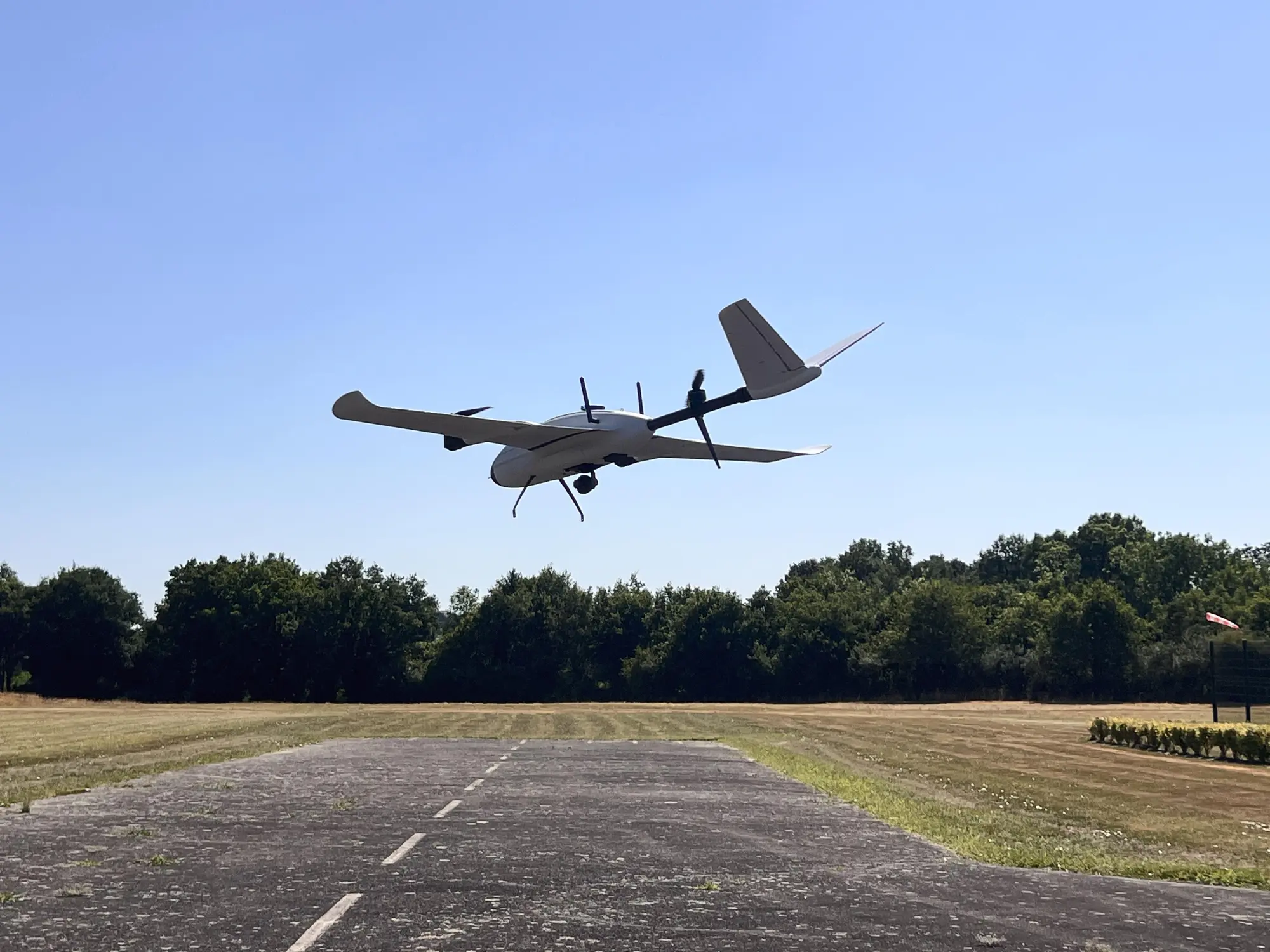 HEBB AUTONOMY / 02
02Long-endurance aerial system
Scout S1
Extended-range flight for survey, relay and coordinated field missions across changing environments.
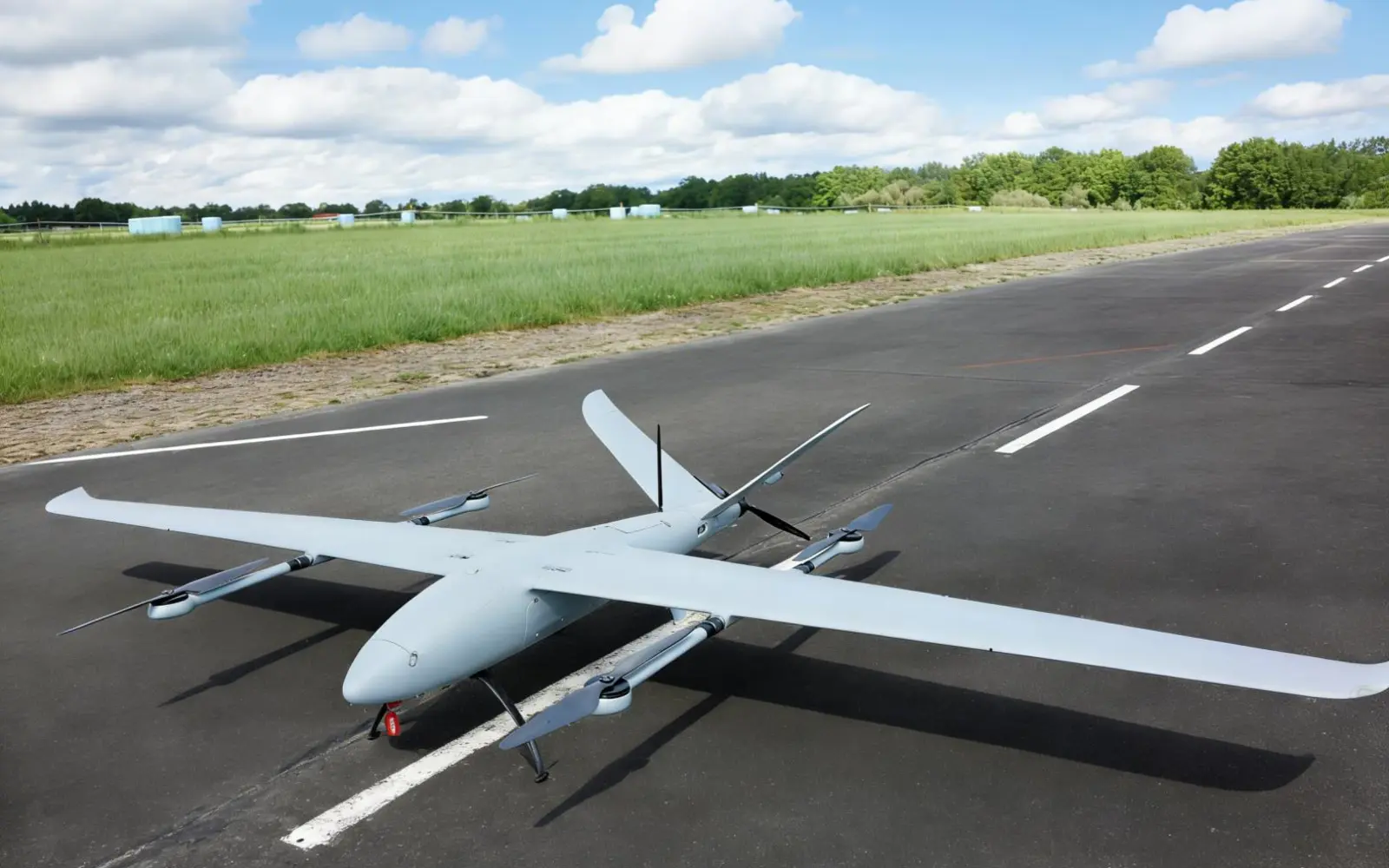 HEBB AUTONOMY / 03
03Heavy-lift mission aircraft
Titan T1
High-payload aerial operations with redundant flight control and a rapidly deployable modular payload bay.
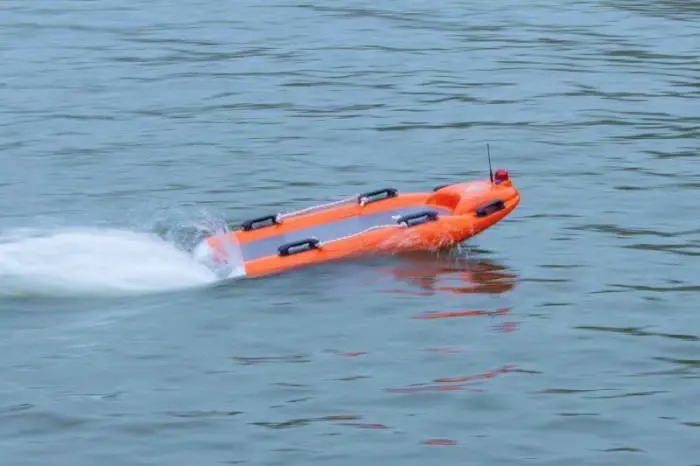 HEBB AUTONOMY / 04
04Autonomous surface vessel
Seal S1
A compact maritime platform for waterborne awareness, monitoring and rapid-response missions.
Representative development platforms. Final configurations and capabilities vary by mission, integration and validation stage.
Across the physical world
One intelligence layer. Many forms of embodiment.
The system is hardware-flexible by design. Intelligence can travel across different machines and mission environments without reducing the platform to a single vehicle category.
Aerial systems
Wide-area sensing · mapping · rapid response
Ground systems
Inspection · navigation · close-range intervention
Surface systems
Maritime awareness · rescue · environmental monitoring
Survey + mappingInspection + monitoringMining + energyAgricultureEmergency responseMaritime operations
Research to deployment
Capability is earned in stages.
Autonomous systems should not leap from a clean demo into a complex world. HEBB Autonomy uses a staged pathway that increases uncertainty, environmental complexity and operational responsibility over time.
SimulationAlgorithms and system behaviour
LaboratoryControlled perception and coordination
Open worldReal environments and changing conditions
Complex worldInterference, degraded positioning and multi-agent missions
Real deploymentLong-duration operation and accountable outcomes
Research programme and platform direction. Specific capabilities remain subject to validation, integration and operating requirements.
Build the autonomous layer
Give intelligence a world to act within.
We are opening conversations with research, industry, hardware and investment partners who can help move collaborative autonomy from architecture into responsible deployment.
Discuss HEBB Autonomy